



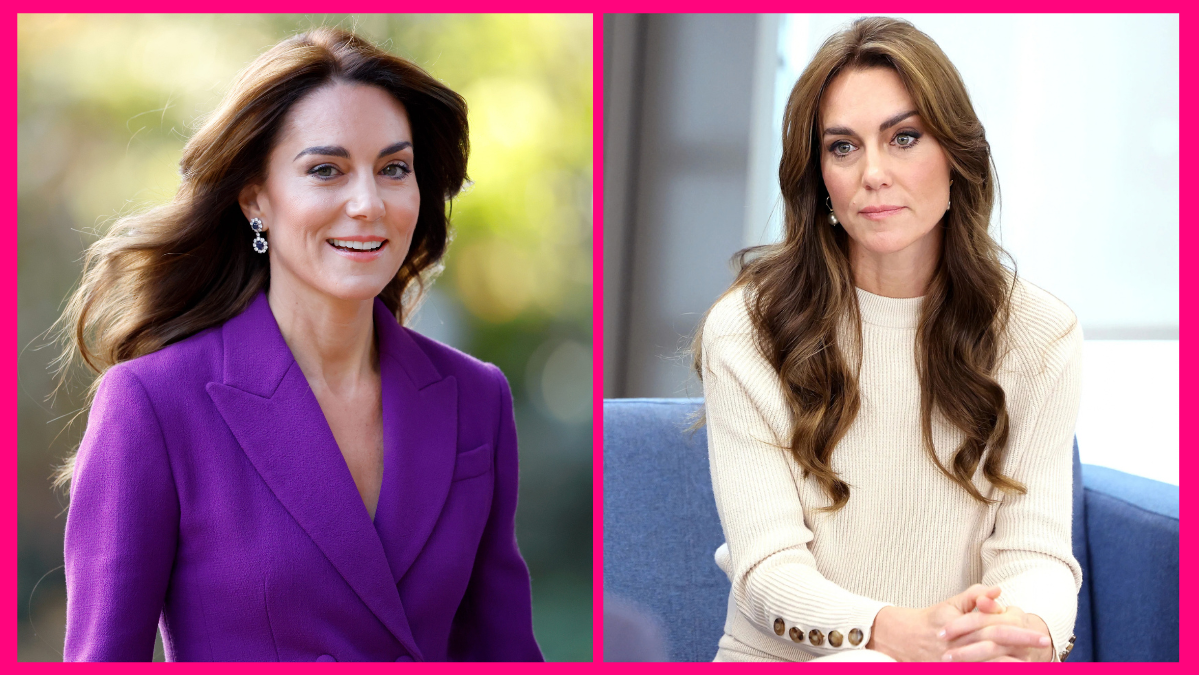
Catherine, Princess of Wales, is one of the most recognisable members of the British Royal Family and an important figure in the modern monarchy. Born Catherine Elizabeth Middleton, she became a member of the Royal Family when she married Prince William at Westminster Abbey in April 2011. Since then, her public role has developed from that of the Duchess of Cambridge into her current position as Princess of Wales.
Beyond royal ceremonies and major public appearances, Catherine has developed a clear charitable focus. Much of her work centres on early childhood, mental health, family wellbeing, and the conditions that help children develop strong social and emotional foundations. Her approach has increasingly connected royal visibility with long-term public-interest campaigns.
For many people, Catherine is also known for her family life with Prince William and their three children, Prince George, Princess Charlotte and Prince Louis. Her combination of royal responsibilities, family commitments and charitable work has made her a prominent figure in the United Kingdom and around the world.
Early Life and Family Background
Catherine Elizabeth Middleton was born on 9 January 1982 at the Royal Berkshire Hospital in Reading. She is the eldest of three children of Michael and Carole Middleton. Her childhood included time living overseas, as her family moved to Amman, Jordan, when she was young because of her father’s work. She later returned to England and continued her education there.
Her upbringing has often been discussed because it differed from the traditional background associated with senior members of the British Royal Family. The Middleton family built a successful business, and Catherine grew up outside the aristocratic establishment. That background became an important part of the public story surrounding her eventual marriage into the monarchy.
Catherine attended Marlborough College before studying at the University of St Andrews in Scotland. It was at St Andrews that she met Prince William. Their relationship developed during their university years, although their public courtship attracted increasing attention as William’s position within the Royal Family became more prominent.
Her early years helped shape a public image that has frequently been associated with education, family and an interest in sport. The official Royal Family biography also notes her enthusiasm for activities including tennis, hockey and sailing.
Education and Meeting Prince William
Catherine studied art history at the University of St Andrews, where she crossed paths with Prince William. Their shared university environment allowed them to know each other away from the formal setting of royal engagements. Their relationship eventually became public and attracted substantial media interest.
The couple experienced periods of separation before becoming engaged. Their engagement was announced in 2010, setting the stage for one of the most watched royal weddings of the modern era. Catherine’s transition from university graduate and private citizen to future senior royal was gradual rather than immediate.
The relationship also placed considerable attention on her personal style, public appearances and family background. Over time, she developed experience in dealing with official engagements and the expectations surrounding life as a senior member of the Royal Family.
The story of Catherine and William has therefore become an important part of contemporary British royal history. Their university meeting ultimately led to a marriage that would give Catherine one of the most significant positions within the monarchy.
Royal Wedding and Becoming a Senior Royal
Catherine married Prince William at Westminster Abbey on 29 April 2011. The wedding attracted enormous international attention, with millions of people following the ceremony and celebrations. Following the marriage, the couple became the Duke and Duchess of Cambridge, beginning a new chapter in their public lives.
As the Duchess of Cambridge, Catherine gradually established her own portfolio of charitable interests. Rather than limiting her role to ceremonial appearances, she became increasingly involved with organisations dealing with children, mental health, family life and social wellbeing.
Her public duties included visits across the United Kingdom and overseas engagements. These appearances gave her opportunities to meet families, teachers, healthcare professionals, charities, young people and community organisations.
A particularly important development was her growing interest in the early years of childhood. Over time, this became one of the defining themes of her public work and eventually developed into a major long-term campaign.
Becoming the Princess of Wales
Catherine’s title changed following the accession of King Charles III. After the death of Queen Elizabeth II, King Charles announced that his eldest son would be known as the Prince of Wales and that his wife would be the Princess of Wales.
The title carries considerable historical significance. Diana, Princess of Wales, was the previous holder of the title during her marriage to Charles, meaning Catherine’s use of the title inevitably attracted substantial public attention.
As Princess of Wales, Catherine continued the charitable and public work she had developed during her years as the Duchess of Cambridge. Her role involves supporting the King, undertaking official engagements and representing the Royal Family at events in Britain and overseas.
The title also reflects Prince William’s position as heir to the throne. As his wife, Catherine occupies an important place in the future structure of the monarchy, although her current work remains focused on her responsibilities as a senior working royal.
Family Life With Prince William
Catherine and Prince William have three children: Prince George, Princess Charlotte and Prince Louis. George was born in July 2013, Charlotte in May 2015 and Louis in April 2018. The family’s official residence is Kensington Palace.
Their children are regularly seen at major royal occasions, although William and Catherine have generally attempted to maintain a balance between their children’s public position and family life. Royal events such as Trooping the Colour have provided some of the most visible opportunities for the young family to appear together.
Family has also influenced aspects of Catherine’s public work. Her interest in child development is not presented solely as a parental concern. In a speech about the early years, she explicitly argued that understanding childhood should matter to society as a whole.
She said that early childhood should not be viewed simply as an issue for parents, describing it as being connected to “how we raise the next generation of adults.”
That broader perspective has become central to her public identity.
Early Childhood and the Shaping Us Campaign
One of the most significant areas associated with Catherine is early childhood development. Her work in this field has focused on the period from pregnancy through the first five years of life and the importance of relationships, surroundings and experiences during those years.
In 2018, she convened a steering group examining ways to create long-term improvements for children. In 2020, she launched the “5 Big Questions on the Under Fives” survey, designed to encourage a nationwide conversation about early childhood. The Royal Foundation Centre for Early Childhood was subsequently launched in 2021.
The later Shaping Us campaign expanded this work. Its central message is that the earliest years influence social, emotional and cognitive development and can establish foundations that continue throughout life.
In one speech, Catherine described early childhood as a “golden opportunity” to influence future outcomes.
The campaign has also emphasised that responsibility does not rest solely with parents. Businesses, communities, professionals and wider society can all influence the environments in which young children grow.
| Area of work | Main focus | Key initiative |
|---|---|---|
| Early childhood | Development from pregnancy to age five | Shaping Us |
| Mental wellbeing | Emotional health and resilience | Mental health programmes and charities |
| Family support | Stronger relationships and nurturing environments | Early childhood research |
| Business engagement | Encouraging employers to support families | Business Taskforce for Early Childhood |
| Community awareness | Public understanding of child development | National campaigns and events |
| Christmas community work | Bringing people together | Together at Christmas |
Mental Health and Emotional Wellbeing
Mental health has been another important part of Catherine’s public work. Her engagements have included programmes designed to support children and young people, reduce stigma and encourage more open conversations about emotional wellbeing.
Her approach frequently connects mental health with childhood experiences. Rather than treating emotional wellbeing as an isolated issue, her public work has highlighted the influence of family relationships, social environments and early development.
Catherine has also supported initiatives involving schools and young people. Her work has included involvement with Heads Together, Shout 85258 and the Mentally Healthy Schools programme, alongside patronages connected with mental health support.
This area of her work has helped create a public profile that extends beyond traditional royal patronage. Mental health and child development are complex subjects, and her role has generally been to raise awareness, bring organisations together and use the visibility of her position to encourage discussion.
Work With Children and Families
Much of Catherine’s public schedule has involved meeting children, parents, teachers, carers and professionals. These visits allow her to see how policies and services affect people in everyday life while also providing public attention to organisations working in these areas.
Her early years programme has repeatedly highlighted the importance of relationships. Research discussed through the Royal Foundation Centre for Early Childhood has focused on skills such as communication, emotional management, relationships and understanding oneself and others.
This emphasis helps explain why Catherine’s work often crosses different areas. Education, parenting, mental health, community support and workplace culture can all affect the environment surrounding a young child.
Her public engagements have therefore become part of a wider effort to make early childhood a mainstream social issue rather than a specialist subject known only to professionals.
Sport, Nature and Outdoor Activities
Sport and outdoor activity form another part of Catherine’s public interests. The Royal Family’s official biography notes her enthusiasm for tennis, hockey and sailing from an early age.
She has also linked outdoor experiences with children’s development. In 2019, she designed and built Back to Nature gardens for the RHS Chelsea Flower Show and Hampton Court Palace Garden Festival. The gardens were intended to demonstrate how nature and outdoor exploration can support children’s development and relationships.
This interest reflects a broader theme in her work: physical health, emotional wellbeing and social development are closely connected. Outdoor spaces can provide opportunities for children to play, explore, communicate and develop confidence.
Her sporting interests also provide a natural connection with youth organisations and community projects. Public appearances involving sport tend to showcase a less formal side of royal duties while supporting charities and initiatives focused on young people.
The Together at Christmas Service
Another initiative strongly associated with Catherine is the annual Together at Christmas carol service. She has spearheaded the event since 2021, using it to recognise people and organisations that have supported their communities throughout the year.
The service takes place at Westminster Abbey and brings together members of the Royal Family, community representatives, families and invited guests. Its focus is broader than traditional royal ceremony, with themes of kindness, service, community and togetherness.
The event has become a recurring part of the royal calendar and demonstrates another side of Catherine’s public role. Instead of focusing on one specific charitable issue, it provides a platform for recognising people who contribute to their communities.
For Catherine, the service also fits naturally with her wider emphasis on relationships and social connection. Community support is an important theme running through much of her work.
Public Image and Personal Style
Catherine has attracted considerable international attention for her fashion choices and public presentation. Her clothing is frequently discussed by the media, particularly during major royal events, overseas tours and formal ceremonies.
However, her public image is not limited to fashion. Over more than a decade of royal duties, she has developed a recognisable style of public engagement that combines formal protocol with direct interaction.
She is frequently photographed speaking with children, families and charity workers rather than simply attending ceremonial events. Those encounters have become an important part of how her role is understood.
Her position also requires careful attention to royal protocol. Official visits, state occasions and national ceremonies demand a different approach from community visits or charity projects. Balancing those responsibilities is an ongoing part of life as a senior member of the Royal Family.
Catherine and the Future of the Monarchy
Catherine occupies a particularly significant position because Prince William is the heir to the throne. Her role is therefore connected not only with the present Royal Family but also with the monarchy’s future.
That does not mean every aspect of her public work is about succession. Her current responsibilities include supporting the King, attending official events and continuing her charitable interests.
Nevertheless, her position means that her public activities receive significant attention. The causes she supports, the way she engages with communities and the subjects she chooses to highlight all contribute to the public understanding of the future royal household.
Her focus on children and families is particularly relevant because it represents a long-term approach. The early childhood campaigns are designed around changes that may take years or even generations to fully measure.
Why Early Childhood Remains Central to Her Work
The early years have become the clearest defining theme of Catherine’s charitable programme. Her work argues that experiences before and during the first years of life can influence later development, relationships and resilience.
The Royal Foundation Centre for Early Childhood has brought together researchers, professionals, businesses and community groups to increase understanding of this period. The Shaping Us campaign has similarly sought to make early childhood a subject of wider public discussion.
Catherine has also encouraged businesses to consider their role in supporting families. In 2023, she launched a Business Taskforce for Early Childhood, bringing business leaders together around the issue.
At the launch, she argued that businesses had a role in protecting society’s “social ecosystems.”
That language captures the central idea behind much of her work: children do not grow up in isolation. Families, workplaces, schools, communities and public services all contribute to the environment surrounding them.
Catherine, Princess of Wales in the Public Eye
The public interest surrounding Catherine is partly a consequence of her position within the monarchy and partly the result of her long-running involvement in issues that affect ordinary families.
Her official duties place her in highly visible settings, from Westminster Abbey and Buckingham Palace events to schools, hospitals, community organisations and charitable projects. This creates a distinctive combination of ceremonial responsibility and direct public engagement.
At the same time, her private family life remains a subject of widespread interest. As the mother of three young members of the Royal Family and the wife of the heir to the throne, Catherine’s personal and public roles are closely connected in the public imagination.
The balance between visibility and privacy is therefore an important part of modern royal life. Catherine’s public programme provides regular opportunities for engagement while her family life is generally presented selectively through official occasions.
The Continuing Role of Catherine, Princess of Wales
Catherine’s role has developed considerably since her marriage to Prince William in 2011. She has moved from being a newly married member of the Royal Family to becoming the Princess of Wales and one of the monarchy’s most prominent working royals.
Her public work has become increasingly focused rather than simply consisting of a broad collection of royal patronages. Early childhood, emotional wellbeing, family relationships and community support now form a consistent thread across many of her engagements.
The significance of that approach is that it gives her royal role a long-term theme. Campaigns such as Shaping Us are not designed around a single event or annual occasion; they seek to change public understanding and encourage cooperation among different parts of society.
As her responsibilities continue, her position will remain closely connected with the future of the British monarchy. Her charitable interests, official engagements and family role all form part of a public identity that has developed over many years.
Conclusion
Catherine, Princess of Wales, has built a distinctive role within the British Royal Family through a combination of official duties, family responsibilities and long-term charitable work. From her early life in Berkshire and university years at St Andrews to her marriage to Prince William and her emergence as Princess of Wales, her public journey has been closely followed around the world.
Her strongest area of focus is early childhood. Through the Royal Foundation Centre for Early Childhood, Shaping Us and related initiatives, she has consistently highlighted the importance of relationships, emotional development and supportive environments during the earliest years of life.
At the same time, her work in mental health, sport, family wellbeing and community engagement has broadened her contribution beyond one single cause. Her role combines the ceremonial traditions of the monarchy with issues that directly affect families and communities.
For that reason, Catherine’s public profile is about more than royal titles and appearances. Her work represents an evolving approach to modern royal duties, with an emphasis on long-term social issues, public engagement and the wellbeing of future generations.
Frequently Asked Questions
Who is Catherine, Princess of Wales?
Catherine, Princess of Wales, was born Catherine Elizabeth Middleton on 9 January 1982. She married Prince William at Westminster Abbey in 2011 and became a member of the British Royal Family. She became Princess of Wales after King Charles III’s accession and Prince William’s appointment as Prince of Wales.
When did Catherine become Princess of Wales?
Catherine became Princess of Wales in September 2022, following the accession of King Charles III. The new King announced that his eldest son would be known as the Prince of Wales and that his wife would be known as the Princess of Wales.
How many children does Catherine have?
Catherine and Prince William have three children: Prince George, Princess Charlotte and Prince Louis. George was born in 2013, Charlotte in 2015 and Louis in 2018.
What causes does Catherine support?
Catherine has developed a major public focus on early childhood development, children’s mental health and emotional wellbeing. She has also supported causes involving families, education, sport, outdoor activity and community wellbeing.
What is the Shaping Us campaign?
Shaping Us is a long-term campaign associated with the Royal Foundation Centre for Early Childhood. It aims to increase public understanding of the importance of the first five years of life and the influence of early relationships, experiences and surroundings on later development.
Where did Catherine meet Prince William?
Catherine met Prince William while they were both students at the University of St Andrews in Scotland. Their relationship developed during their university years before they eventually married in 2011.
What is Catherine known for besides royal duties?
Catherine is particularly known for her work on early childhood and mental health, as well as her involvement with family-focused charities and public campaigns. She also spearheads the annual Together at Christmas carol service at Westminster Abbey.
What is Catherine’s role in the Royal Family?
Catherine undertakes official royal engagements in support of the King, represents the Royal Family at events in the United Kingdom and overseas, supports charitable organisations and participates in major national occasions. Her position as Princess of Wales also places her alongside Prince William as part of the future senior leadership of the monarchy.
Read also Zohran Mamdani Wife: Meet Rama Duwaji, the Artist Behind the Name
