



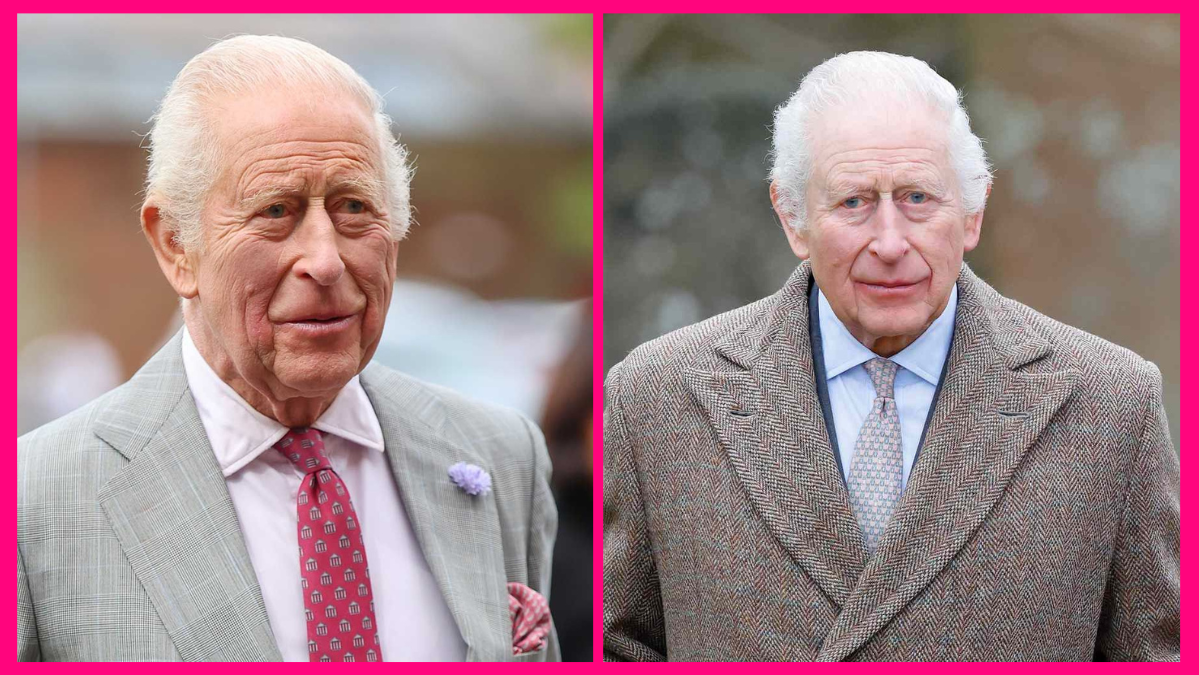
King Charles health has remained a subject of widespread public interest since Buckingham Palace announced in February 2024 that the monarch had been diagnosed with cancer. The announcement followed a hospital procedure for an enlarged prostate, during which doctors identified a separate issue that required further investigation. Buckingham Palace confirmed that diagnostic tests had identified a form of cancer, although the specific type and stage were not publicly disclosed.
Since then, the King has continued carrying out official responsibilities while receiving treatment. His medical team initially advised him to postpone public-facing duties, but he continued state business and official paperwork. The Palace also explained that Charles chose to share the diagnosis partly to help prevent speculation and to encourage wider public understanding of cancer.
The story surrounding King Charles health has developed gradually, with the Royal Family releasing limited medical information while providing occasional updates about his activities. That means it is important to separate confirmed information from online speculation, particularly when discussing his diagnosis, treatment and recovery.
What Happened Before the Cancer Diagnosis
The sequence began with a separate medical issue involving an enlarged prostate. In January 2024, the Palace announced that the King would receive treatment for benign prostate enlargement. The condition itself was described as benign, meaning it was not cancerous.
During the hospital procedure, doctors noticed another issue that required further investigation. Subsequent diagnostic tests identified cancer. Buckingham Palace did not identify the exact cancer type, stage, prognosis or specific treatment being used. This distinction remains important because different cancers can have very different treatment plans and outcomes.
The discovery also illustrates why medical investigations sometimes reveal conditions unrelated to the original reason for treatment. The King had entered hospital for one problem, but the medical assessment resulted in the detection of another condition.
When the King’s Cancer Was Announced
Buckingham Palace publicly announced the diagnosis in February 2024. The statement said that His Majesty had started a schedule of regular treatments and that doctors had advised him to postpone public-facing duties for the time being. At the same time, he continued with state business and official paperwork.
The Palace also said that Charles was “wholly positive about his treatment” and looked forward to returning to full public duty. His decision to make the diagnosis public was unusual in the sense that royal medical information is normally handled with considerable privacy, but the announcement provided enough information to acknowledge the situation without disclosing detailed medical records.
The public response was substantial. NHS England reported that visits to NHS cancer information pages increased by more than 50% immediately after news of the King’s diagnosis. The organisation said the increase demonstrated the wider public interest in cancer symptoms, diagnosis and treatment.
What Is Known About His Cancer Treatment
The exact treatment received by King Charles has not been publicly specified by Buckingham Palace. Public statements have referred to regular treatment, but they have not confirmed the particular medicines, chemotherapy regimen, radiation therapy, surgery or other clinical interventions involved.
That lack of detail is important because it prevents reliable conclusions about the severity of the illness or the King’s prognosis. Cancer treatment is highly individual. Doctors consider factors such as the type of cancer, its location, whether it has spread, the patient’s overall health and how the disease responds to treatment.
In a December 2025 message supporting Stand Up To Cancer, Charles referred directly to his own “cancer journey” and discussed the importance of the medical professionals who support patients. He also emphasized early detection and the value of timely diagnosis.
His comments offered a rare personal insight into the experience without revealing confidential medical details. The King spoke about the “community of care” surrounding cancer patients, including specialists, nurses, researchers and volunteers.
King Charles Health and His Return to Public Duties
One of the most visible developments has been the King’s gradual return to public engagements following the initial announcement. Although doctors initially advised him to reduce public-facing duties, he subsequently resumed an increasingly active schedule.
His public appearances have included visits connected with healthcare, cancer research and charitable organisations. These appearances demonstrate that he has continued to perform many of the responsibilities associated with being monarch, but they do not provide a medical assessment of his condition.
In May 2026, the King visited Guy’s Cancer Centre, where he met cancer patients, doctors and nurses and learned about research involving personalised treatment, cancer research and emerging technologies. The Royal Family’s official account described him meeting patients receiving chemotherapy and speaking with researchers about developments in cancer care.
His continued involvement with cancer-related organisations has also been notable. In June 2026, the King and Queen hosted a reception marking the 125th anniversary of Cancer Research UK. The Royal Family noted that Charles has served as Patron of Cancer Research UK since 2024.
Latest Information About King Charles Health
As of the latest publicly available information, the Palace has not provided a detailed medical report describing the King’s current cancer status. There has been no official announcement giving a specific cancer type, stage, detailed treatment protocol or definitive statement that the disease has been cured.
That means reports claiming to know precise details should be treated cautiously unless they can be traced to an official statement or a reliable source with direct medical information.
At the same time, his continuing public schedule provides documented evidence that Charles has remained active in his role. His appearances at hospitals, cancer centres, charitable events and other engagements show an ongoing commitment to public duties.
His activity should not, however, be interpreted as proof of a particular medical outcome. A person’s ability to work or attend public events does not by itself establish whether cancer is in remission, still being treated or being monitored.
| Health-related development | Confirmed information |
|---|---|
| Enlarged prostate | The King underwent treatment for benign prostate enlargement in early 2024 |
| Cancer discovery | A separate issue was identified during the prostate-related hospital procedure |
| Cancer diagnosis | Buckingham Palace confirmed a form of cancer in February 2024 |
| Specific cancer type | Not publicly disclosed by the Palace |
| Treatment details | The Palace has not publicly provided a detailed treatment plan |
| Public duties | Duties were initially reduced, followed by a gradual return to public engagements |
| Cancer-related work | Charles has continued visiting cancer centres and supporting cancer-related organisations |
| Current medical status | Detailed clinical information has not been publicly released |
Why the Specific Cancer Type Has Not Been Revealed
There is a natural public curiosity about the exact diagnosis, but medical privacy remains an important consideration. Being a public figure does not mean that every part of a person’s medical history must be disclosed.
Buckingham Palace provided enough information to confirm the diagnosis and explain the immediate impact on the King’s schedule. It did not release a full medical file. This approach allowed the public to understand the broad situation while preserving considerable personal medical privacy.
The absence of a specific diagnosis also makes it impossible to accurately compare Charles’s situation with another cancer patient’s experience. Even two people with the same broad cancer category can receive very different treatments.
For this reason, responsible reporting about the King’s condition should focus on verified statements rather than attempting to reconstruct private medical information from photographs, appearances or unconfirmed reports.
The Importance of Early Cancer Detection
One of the most significant public-health themes connected with the King’s diagnosis has been early detection. NHS England reported a major increase in searches for cancer information after the announcement, including information about symptoms, screening and treatment.
Professor Peter Johnson, NHS National Clinical Director for Cancer, said at the time that “Talking about cancer helps save lives.” NHS England also emphasized that detecting cancer early can improve the chances of successful treatment.
The lesson extends beyond the Royal Family. Persistent or unexplained changes in health should be discussed with an appropriate healthcare professional, while eligible people should take part in recommended screening programmes.
The NHS also highlights lifestyle factors such as healthy eating, regular physical activity and avoiding smoking as measures that can reduce cancer risk. These are general public-health recommendations and should not be interpreted as statements about the cause of the King’s illness.
How His Cancer Journey Has Influenced His Public Work
The King’s experience has naturally brought greater attention to cancer awareness. His public appearances connected with cancer services have allowed him to meet patients and healthcare professionals while highlighting research and treatment developments.
In April 2024, shortly after his diagnosis became public, Charles and Queen Camilla visited the University College Hospital Macmillan Cancer Centre. They met patients and families dealing with cancer and spoke with people receiving chemotherapy and other treatments.
The visit was significant because it was among the King’s first official public engagements following the announcement. It also placed his personal experience alongside the experiences of other patients without suggesting that their medical circumstances were identical.
The Royal Family has continued to highlight cancer research through Charles’s patronages and engagements. His visits have included conversations with clinicians, researchers and patients, helping maintain public attention on cancer prevention, diagnosis, treatment and research.
King Charles Health and His Approach to Public Communication
The King’s approach to discussing his condition has generally been selective. Rather than publishing detailed medical information, official statements have focused on the diagnosis, treatment schedule, adjustments to his duties and his appreciation for medical professionals.
This approach has allowed the Palace to provide meaningful updates without disclosing information that remains private. It also demonstrates why official royal statements are especially important when evaluating claims circulating online.
Charles himself has occasionally spoken about his experience in broader terms. His 2025 Stand Up To Cancer message was particularly notable because he described the emotional impact of receiving a cancer diagnosis and emphasized the role of support networks.
His statement also reflected a wider public-health message: cancer affects not only patients but families, friends, carers and communities. His comments drew attention to the people who provide medical, practical and emotional support throughout treatment.
Separating Facts From Online Speculation
Searches for King Charles health frequently produce a mixture of official announcements, media reports, social-media posts and speculation. These sources do not all carry the same level of reliability.
Official statements from the Royal Family provide the clearest information about what Buckingham Palace is willing to confirm. NHS organisations can provide authoritative background information about cancer, treatment and public health, but they generally cannot provide private details about an individual unless those details have been officially disclosed.
Photographs and public appearances should also be interpreted carefully. Looking energetic or tired does not establish a person’s medical condition, just as attending an event does not demonstrate remission or recovery.
The safest approach is therefore to distinguish between confirmed information, attributed reporting and speculation. This is particularly important when discussing an older public figure whose health information is understandably of major public interest.
His Continued Interest in Cancer Research
Cancer research has become an increasingly visible part of the King’s public programme. In 2026, he visited Guy’s Cancer Centre and heard about research involving personalised treatment and new technologies. The Royal Family reported that he met patients receiving chemotherapy and spoke with healthcare professionals and researchers.
The visit reflected the King’s longstanding interest in healthcare and medical research, while also taking place after his own cancer diagnosis. His role as Patron of Cancer Research UK has provided another platform for supporting research and public awareness.
Cancer treatment continues to evolve, with hospitals using combinations of surgery, chemotherapy, radiotherapy, biological therapies and other approaches depending on the specific disease. NHS cancer services emphasize that treatment is tailored to individual circumstances rather than following one universal formula.
That broader context helps explain why there is limited value in trying to guess the King’s treatment based solely on public appearances or general descriptions of cancer therapy.
What the Public Should Understand About His Current Situation
The clearest picture is that Charles was diagnosed with cancer in 2024, received regular treatment, temporarily reduced public-facing duties and later resumed a substantial programme of official engagements. These points are supported by official sources.
However, important medical details remain private. The exact cancer type, stage, treatment protocol and long-term prognosis have not been comprehensively disclosed.
This distinction matters because health reporting can easily move from documented facts into speculation. A responsible summary should acknowledge what is known while also recognizing the limits of public information.
The King’s continued work in 2026 is evidence that he remains active in his constitutional and charitable responsibilities. It is not, by itself, evidence of a particular clinical outcome.
Why King Charles Health Remains a Major Public Interest Topic
Interest in King Charles health is understandable because he is the head of state of the United Kingdom and one of the world’s most recognizable public figures. His diagnosis also created a wider conversation about cancer awareness, screening and the importance of seeking medical advice when concerning symptoms appear.
The increased use of NHS cancer resources following the announcement showed that his personal medical news had a measurable effect on public interest in health information.
His later public messages have continued that theme. Rather than focusing only on himself, Charles has used his experience to acknowledge cancer patients, families and the professionals who care for them.
For readers following developments, the most reliable approach is to look for statements from Buckingham Palace and established medical or public-health organisations. This helps keep the discussion grounded in confirmed facts rather than rumours.
Conclusion
King Charles health has changed from a private medical matter into a significant public-health story since his cancer diagnosis was announced in 2024. The diagnosis was discovered during investigations connected with treatment for an enlarged prostate, and Buckingham Palace confirmed that the King began regular treatment soon afterward.
Since then, Charles has gradually returned to public-facing responsibilities and has continued to appear at hospitals, cancer centres, charitable events and official engagements. His 2025 message about his cancer journey and his 2026 visits connected with cancer care have offered occasional insight into his experience while leaving many medical details private.
The most important point is that the public record does not provide enough information to determine the King’s precise current medical status. What can be said with confidence is that he has continued treatment-related and public responsibilities while supporting greater awareness of cancer care and research. His experience has also encouraged wider discussion about early detection and the importance of accessing reliable health information.
Frequently Asked Questions
What happened to King Charles’s health?
King Charles was diagnosed with a form of cancer in February 2024 after doctors discovered a separate medical issue during a hospital procedure for benign prostate enlargement. Buckingham Palace confirmed that he began regular treatment but did not publicly identify the type or stage of cancer.
What type of cancer does King Charles have?
The specific cancer type has not been publicly disclosed by Buckingham Palace. Official statements have confirmed a cancer diagnosis but have not provided detailed clinical information about the location, stage or precise treatment being used.
Is King Charles still receiving cancer treatment?
Official public information has described the King as having undergone regular treatment, but the Palace has not provided a detailed current treatment schedule. His continuing public appearances should not be interpreted as confirmation of whether treatment has ended or whether the cancer is in remission.
Has King Charles returned to public duties?
Yes. After initially being advised to postpone public-facing duties, the King gradually returned to official engagements. His later schedule has included healthcare visits, charitable events and other public responsibilities, including visits connected with cancer research and treatment.
Has King Charles said anything about his cancer experience?
Yes. In a December 2025 message supporting Stand Up To Cancer, Charles spoke about his own “cancer journey” and praised the specialists, nurses, researchers and volunteers who support cancer patients. He also highlighted the importance of early detection.
Does King Charles health information suggest that he has recovered?
There is not enough publicly released medical information to make a definitive statement about recovery or remission. Official sources show that he has continued public duties and cancer-related engagements, but they have not provided a comprehensive clinical assessment of his current condition.
Why did Buckingham Palace reveal the King’s diagnosis?
Buckingham Palace said Charles chose to share his diagnosis partly to prevent speculation and because he hoped the disclosure could contribute to public understanding of cancer. The announcement also explained the temporary changes to his public schedule.
Why is early cancer detection important?
Early detection can allow cancer to be identified before it has progressed further and may expand the treatment options available. NHS England used the attention surrounding the King’s diagnosis to encourage people to learn about possible cancer symptoms, attend screening appointments when eligible and seek medical advice for concerning changes.
Where can people find reliable updates about the King’s condition?
The Royal Family’s official website is the primary source for statements released by Buckingham Palace. NHS organisations and established medical sources can provide general information about cancer, symptoms, screening and treatment, but they should not be confused with official medical updates about the King himself.
Read also Prince William Affair: What Is Known About the Rumors, Reports, and Royal Privacy
