



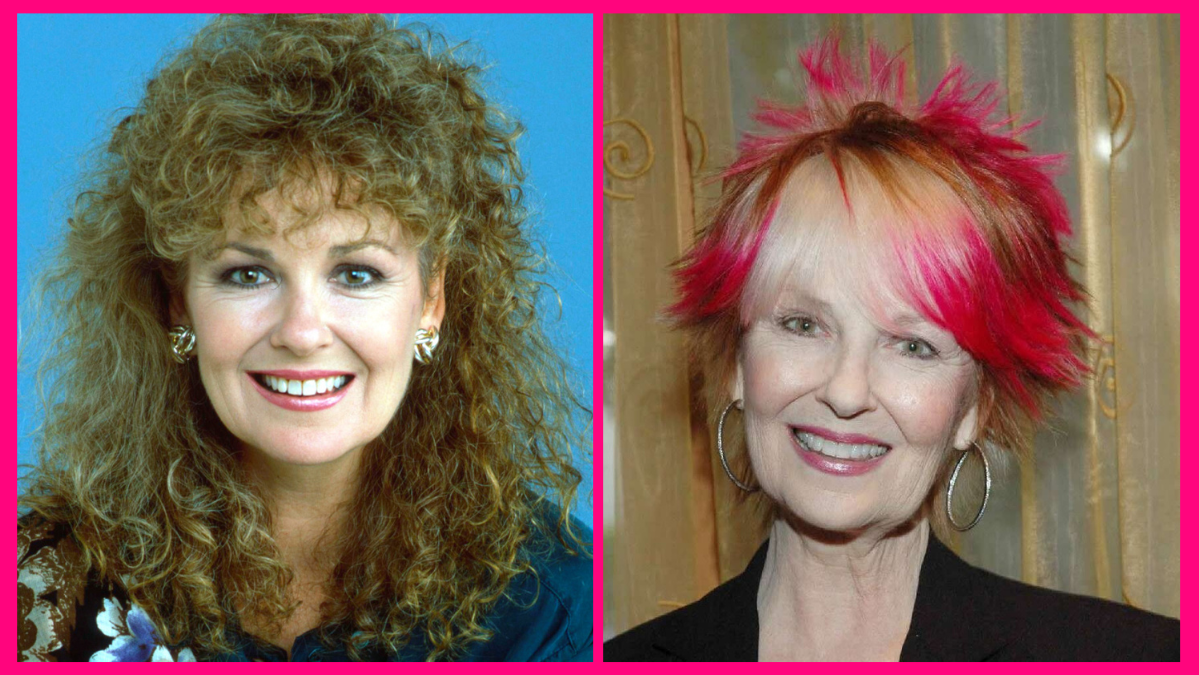
Shelley Fabares occupies a rare place in American entertainment history. Few performers can say they charmed audiences across three completely different decades of television, yet Shelley Fabares did exactly that, moving effortlessly from wide-eyed teenage daughter on a classic 1950s sitcom to a sharp, grounded leading lady on a beloved 1990s comedy. Her passing on August 22, 2026, at the age of 82, closed the final chapter on a career that stretched back to the earliest days of live television and touched millions of households along the way.
What makes her story so compelling isn’t just the longevity, though that alone is remarkable. It’s the way she managed to stay relevant, likable, and quietly influential without ever chasing controversy or reinventing herself into someone unrecognizable. Fans who grew up watching Mary Stone on The Donna Reed Show and fans who later fell for Christine Armstrong on Coach were, in many ways, watching the same warm, capable woman simply aging alongside them. That kind of consistency is exceptionally hard to pull off in show business, and it’s a big reason her name still generates so much affection today.
Early Life and Family Roots in Show Business
Shelley Fabares was born Michele Ann Marie Fabares on January 19, 1944, in Santa Monica, California, to James Fabares, a real estate broker, and Elsa Fabares. Show business wasn’t a distant dream for young Shelley; it was practically a family trade. Her aunt was Nanette Fabray, a Tony-winning stage performer and television star in her own right, and that connection opened doors most children never see. By age three, Shelley was already tap dancing, and by elementary school she had moved into modeling, laying the groundwork for a professional life that would begin astonishingly early.
Her television debut came at just ten years old, and within a few short years she was appearing in guest spots on shows like Annie Oakley and Captain Midnight. She made her feature film debut at twelve in Never Say Goodbye alongside Rock Hudson, a role that signaled her arrival as more than just a child performer with a famous aunt. Growing up in a household near Hollywood, surrounded by the rhythms of casting calls and studio schedules, gave Shelley Fabares an understanding of the industry that most teenagers simply didn’t have, and it prepared her for the breakout role that would soon make her a household name.
Breakthrough on The Donna Reed Show
In 1958, Shelley Fabares landed the role that would define an entire generation’s image of the perfect American daughter: Mary Stone on The Donna Reed Show. The series presented an idealized vision of suburban family life, and Fabares, still a teenager herself, brought a natural warmth and relatability to Mary that resonated deeply with viewers. For five seasons, audiences watched her navigate the everyday dramas of adolescence, and she quickly became one of the most recognizable young actresses on American television.
The role did more than build her acting résumé; it launched an unexpected music career. Fabares recorded “Johnny Angel,” a song originally performed within an episode of the show, and it unexpectedly climbed to number one on the Billboard Hot 100 in 1962, selling over a million copies and earning a gold record. She later admitted, with characteristic candor, that she never considered herself a trained vocalist, and much of the recording relied on studio production rather than raw singing talent. Even so, the crossover success illustrated just how powerful her television presence had become; audiences wanted more of Shelley Fabares in any form they could get her, whether on screen or on the radio.
| Career Milestone | Year | Details |
|---|---|---|
| Television debut | 1954 | Appeared in early live TV programs at age ten |
| Film debut | 1956 | Never Say Goodbye, opposite Rock Hudson |
| The Donna Reed Show begins | 1958 | Cast as Mary Stone, running through 1963 |
| “Johnny Angel” hits number one | 1962 | Certified gold, over one million copies sold |
| Elvis Presley film trilogy | 1965–1967 | Girl Happy, Spinout, and Clambake |
| One Day at a Time recurring role | 1978–1984 | Played Francine Webster over six seasons |
| Coach begins | 1989 | Cast as Christine Armstrong, running through 1997 |
| Emmy nominations for Coach | 1993 and 1994 | Outstanding Supporting Actress in a Comedy Series |
Hollywood Years and the Elvis Presley Films
After leaving The Donna Reed Show as her character headed off to college, Shelley Fabares transitioned into film work during the mid-1960s, a period that included three movies alongside Elvis Presley: Girl Happy, Spinout, and Clambake. These lighthearted musical comedies were tailor-made for the era, blending beach-movie energy with Presley’s box office draw, and Fabares appeared in more of these films than any other leading lady of the period. It was a testament to how comfortable studios were pairing her with the biggest star in music, confident that her likability would translate across genres.
This stretch of her career also revealed something important about Shelley Fabares as a professional: she wasn’t chasing prestige roles or dramatic reinvention. She built a career on steady, dependable charm, and that approach kept her working through periods when many of her “teen idol” peers from the same era faded from view. As one entertainment historian observed of stars from that generation, longevity in Hollywood often comes down to versatility paired with restraint, and Fabares embodied both qualities throughout the 1960s and into the leaner years that followed.
The Coach Years and Career Renaissance
By the late 1980s, Shelley Fabares had already logged decades in the industry, including a recurring role as Francine Webster on One Day at a Time. But it was her casting as Christine Armstrong on Coach in 1989 that reintroduced her to a whole new generation of viewers. Opposite Craig T. Nelson’s blustering football coach Hayden Fox, Fabares played a television newscaster who eventually became his wife, bringing a grounded, independent energy to a character who never felt like a mere sidekick to the male lead.
Coach ran for nine seasons and 199 episodes, and Fabares appeared in every single one, an extraordinary display of consistency that mirrored her earlier run on The Donna Reed Show. Her performance earned her two Emmy nominations for Outstanding Supporting Actress in a Comedy Series, in 1993 and 1994, cementing her reputation as one of television’s most reliable comedic talents. Colleagues frequently praised her professionalism on set, and one producer who worked alongside her during this period once remarked that she brought the same discipline to a sitcom stage that she had learned as a child actress decades earlier, never treating the work as routine no matter how many episodes she had already filmed.
Personal Life, Health, and Marriage to Mike Farrell
Shelley Fabares married record producer Lou Adler in 1964, a relationship that ended in divorce years later. In 1984, she married actor Mike Farrell, best known for his role on MAS*H, and the two remained together for more than four decades until her death. Their partnership became one of the more enduring and admired marriages in an industry not always known for lasting relationships, and Farrell often spoke warmly about his wife’s steady, unpretentious nature away from the cameras.
In the late 1990s, Fabares faced a serious health crisis when she was diagnosed with autoimmune hepatitis, a condition that ultimately required a liver transplant in 2000. She spoke about the experience publicly in later years, using her platform to raise awareness around organ donation and liver disease. Her recovery allowed her to continue acting and to remain active in charitable causes, including work supporting diabetes research and animal welfare advocacy, reflecting a generosity that extended well beyond her on-screen persona.
Legacy and Influence on American Television
Few performers can claim a career that bridges live 1950s television, the golden age of movie musicals, and the sitcom boom of the late twentieth century, but Shelley Fabares did precisely that. Her ability to remain a beloved figure across such different eras speaks to an unusual kind of staying power, one built less on flashy reinvention and more on consistency, warmth, and genuine craft. Industry observers have often noted that she made difficult work look effortless, a skill that is frequently underappreciated until it’s gone.
Her passing prompted an outpouring of tributes from colleagues and longtime fans alike, many of whom grew up watching her across multiple generations of their own families. As one television historian put it while reflecting on her career, “there aren’t many actresses who could play America’s ideal daughter and then, decades later, play America’s ideal wife, and make audiences believe both completely.” That dual legacy, spanning The Donna Reed Show and Coach, ensures that Shelley Fabares will remain a fixture in conversations about the history of American television comedy for years to come.
Conclusion
Shelley Fabares built a career defined by warmth, consistency, and quiet resilience, qualities that carried her from child performer to teen idol to Emmy-nominated sitcom star without ever losing the audience’s affection along the way. Her work on The Donna Reed Show and Coach alone would secure her place in television history, but her music career, her film work with Elvis Presley, and her openness about her health struggles rounded out a life that touched far more people than a simple list of credits could capture. As fans continue to revisit her performances and reflect on her passing, the name Shelley Fabares remains synonymous with a particular kind of old-fashioned Hollywood likability that never went out of style.
Frequently Asked Questions About Shelley Fabares
What was Shelley Fabares best known for?
Shelley Fabares was best known for playing Mary Stone on The Donna Reed Show during its original run from 1958 to 1963, and later for playing Christine Armstrong on the long-running sitcom Coach from 1989 to 1997. Both roles showcased her talent for playing warm, relatable characters, and the Coach role in particular earned her two Emmy nominations for Outstanding Supporting Actress in a Comedy Series.
Did Shelley Fabares have a successful music career?
Yes, Shelley Fabares had a genuinely successful, if somewhat unexpected, music career during the early 1960s. Her single “Johnny Angel” reached number one on the Billboard Hot 100 in 1962 and was certified gold after selling more than a million copies, even though she often downplayed her own vocal training in later interviews.
How many movies did Shelley Fabares make with Elvis Presley?
Shelley Fabares appeared in three films alongside Elvis Presley, more than any other leading lady of his career. Those films were Girl Happy in 1965, Spinout in 1966, and Clambake in 1967, all lighthearted musical comedies typical of Presley’s movie output during that period.
Who was Shelley Fabares married to?
Shelley Fabares was married twice during her lifetime. Her first marriage was to record producer Lou Adler in 1964, which later ended in divorce, and her second marriage was to actor Mike Farrell in 1984, best known for his role on MAS*H, a partnership that lasted more than forty years until her death.
Did Shelley Fabares face any major health issues?
Yes, in the late 1990s Shelley Fabares was diagnosed with autoimmune hepatitis, a serious liver condition that eventually required a liver transplant in 2000. She spoke about the experience in later interviews and became an advocate for greater awareness around liver disease and organ donation.
When did Shelley Fabares pass away?
Shelley Fabares passed away on August 22, 2026, at the age of 82. Her family announced her death without specifying an exact cause, and tributes poured in from across the entertainment industry honoring her decades-long contribution to American television.
Read also Taylor Sheridan Net Worth: How the Yellowstone Creator Built His Fortune
