

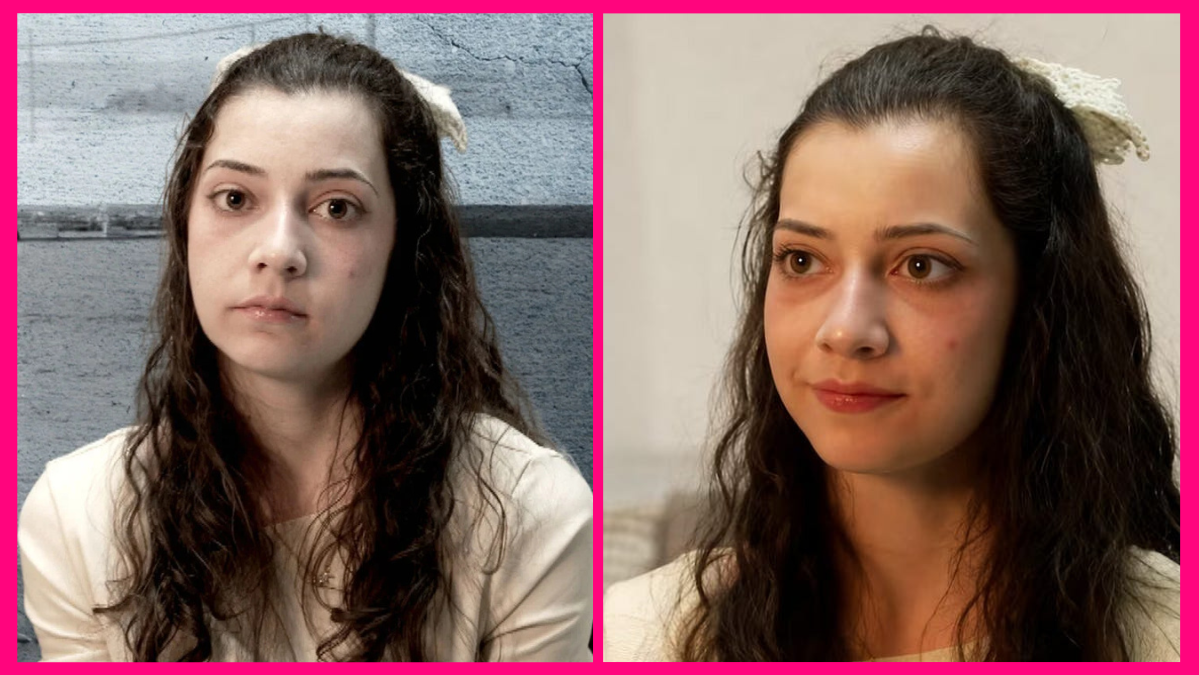
Noelia Castillo Ramos became the focus of international attention in 2026 after her deeply personal decision to pursue euthanasia in Spain led to a lengthy legal battle. Born in Barcelona, she was a young Spanish woman whose life was shaped by difficult family circumstances, psychological distress, traumatic experiences, and severe physical pain. Her case attracted widespread media coverage because it brought together some of the most challenging questions in modern society: personal autonomy, disability rights, mental health, medical ethics, and the role of family members in end-of-life decisions.
Her story was not simply a legal dispute over whether a person could choose an assisted death. It also raised questions about how society supports vulnerable people, how psychological suffering is understood, and how the law balances individual freedom with the responsibility to protect people who may be experiencing a crisis. These issues made her case particularly significant in Spain, where euthanasia has been legal under specific conditions since 2021.
According to reporting published in March 2026, Castillo died through euthanasia on 26 March 2026, aged 25, after the courts upheld the decision following years of legal challenges. Her death intensified an already difficult public debate, with supporters emphasizing her right to make decisions about her own life and critics questioning whether sufficient alternatives and support had been available.
Understanding this case requires looking beyond the headlines. Her experiences, the legal proceedings, and the reactions from medical professionals, relatives, disability advocates, and the wider public reveal why the story continues to raise important questions about dignity, suffering, and the responsibilities of modern healthcare systems.
Who Was Noelia Castillo Ramos?
Noelia Castillo Ramos was born on 14 November 2000 in Barcelona, Catalonia, Spain. She was 25 when she died in March 2026. Before becoming internationally known, she lived a largely private life marked by personal difficulties that later became part of public reporting about her request for euthanasia.
Unlike celebrities whose public identities develop through entertainment, politics, or professional achievements, Castillo came to wider attention because of an intensely personal medical and legal situation. Her story entered the public sphere when reports revealed that she had requested medical assistance in dying and that her father was attempting to prevent the procedure through the courts.
Her case received particular attention because of her age. Many people associate euthanasia debates with terminal illnesses or patients who have lived with serious physical diseases for decades. Castillo’s circumstances involved both irreversible physical disability and longstanding psychological suffering, making the discussion more complicated than a conventional end-of-life case.
The public also learned about her difficult childhood, time in the Spanish care system, and the events that preceded her life-changing injuries. These details helped explain the background to her decision, although they cannot fully communicate the private experiences or feelings of another person. Responsible coverage therefore requires separating established facts, her own reported statements, and interpretations offered by other people.
Her story is best understood as that of an individual whose life and choices became the subject of a national and international debate. The legal questions mattered, but so did the human circumstances behind them.
Early Life and Family Background
Castillo grew up in Barcelona during a period of family and financial instability. Reports about her early life describe difficulties at home, including the loss of the family’s housing and the separation of her parents. These circumstances affected her living arrangements and contributed to a childhood in which stability and support were not always assured.
According to accounts published about her life, she entered the child protection system during her teenage years and spent time in residential care. Her experiences during this period later became an important part of the discussion surrounding her mental health and the support available to her as she grew older.
Childhood instability can have lasting effects, particularly when young people experience several disruptions without consistent emotional support. However, it would be inaccurate to assume that one difficult event alone explains an individual’s later mental health or decisions. Personal experiences, relationships, treatment, physical health, and social circumstances can interact in complex ways.
In interviews reported shortly before her death, Castillo reflected on different stages of her life, including memories that she described more positively. Her story was not made up entirely of hardship, and a balanced account should not reduce a person’s identity to the most painful events they experienced.
Her early years matter because they provide context for the challenges that followed. They also encourage a wider conversation about how families, social services, and healthcare professionals can work together to support young people experiencing instability or psychological distress.
Mental Health Challenges and Time in Care
Mental health was a significant part of Castillo’s personal history. Published accounts state that she received psychiatric care during adolescence and was diagnosed with obsessive-compulsive disorder (OCD) and borderline personality disorder (BPD). These conditions can affect people in different ways, and their presence does not automatically determine a person’s ability to make decisions.
Obsessive-compulsive disorder can involve unwanted, distressing thoughts and repetitive behaviours that a person feels compelled to perform. Borderline personality disorder can involve difficulties with emotional regulation, relationships, self-image, and managing intense distress. Neither condition should be treated as a complete explanation of an individual’s personality or life choices.
Castillo’s history became especially relevant during the legal proceedings because opponents of her euthanasia request questioned whether her psychological difficulties might affect her ability to make a considered decision. Supporters of her request, meanwhile, pointed to the assessments and review processes through which her eligibility had been examined.
These competing positions illustrate a difficult issue in mental healthcare. A psychiatric diagnosis does not, by itself, establish that a person lacks decision-making capacity. At the same time, professionals must carefully assess whether a decision is informed, voluntary, consistent, and made with an understanding of the available alternatives.
The distinction between respecting autonomy and protecting a vulnerable person was central to the case. It also demonstrated why mental health assessments require individual consideration rather than assumptions based solely on a diagnosis.
The Traumatic Events That Changed Her Life
Castillo publicly described experiencing sexual assaults before the event that left her with a permanent disability. These were deeply distressing experiences, and her account became an important part of the reporting surrounding her life. The allegations and their consequences should be discussed sensitively, without unnecessary graphic details or speculation about events that were not independently established through a criminal trial.
In October 2022, Castillo attempted suicide by jumping from a building. She survived the fall but sustained a serious spinal cord injury that resulted in paraplegia, leaving her unable to move her legs. Reports also described persistent physical pain and significant psychological suffering following the incident.
The injury transformed her everyday life. A spinal cord injury can affect mobility, independence, personal care, employment, relationships, and access to ordinary activities. Depending on the nature of the injury, a person may also experience nerve pain, muscle spasms, changes in sensation, and other complications that require long-term medical attention.
For Castillo, the physical consequences were accompanied by an existing history of psychological distress and traumatic experiences. The combination of these difficulties became central to her subsequent request for euthanasia.
It is important, however, not to suggest that disability inevitably leads to suffering or that a life with paralysis is inherently less valuable. Many people with spinal cord injuries build fulfilling lives with appropriate medical care, accessibility, personal assistance, relationships, and social inclusion. The particular issue in Castillo’s case was her own reported experience of persistent suffering and the medical and legal assessments of her circumstances.
Her story also highlighted the importance of accessible rehabilitation, trauma-informed psychological care, pain management, and long-term support for people living with life-changing injuries.
Why Did Noelia Castillo Ramos Request Euthanasia?
The central reason reported for her request was the combination of severe, ongoing suffering and the consequences of her irreversible physical injury. Coverage of the case described chronic pain, paraplegia, and longstanding psychological difficulties as major elements of her situation.
For her, the question was not limited to whether she could physically survive or receive medical treatment. It concerned how she experienced her continuing condition and whether she believed the available interventions could provide a future she considered acceptable.
Euthanasia is a sensitive subject because it involves the intentional ending of life within a legally defined medical framework. People approach the issue through different ethical, religious, philosophical, and personal perspectives. Some emphasize bodily autonomy and relief from unbearable suffering, while others believe that medical professionals should never participate in ending a patient’s life or worry that vulnerable people could feel pressured to choose death.
Castillo’s case brought these perspectives into direct conflict. Her supporters emphasized that she was an adult whose request had undergone formal review. Her opponents argued that her psychological history and circumstances required greater protection and consideration of other forms of support.
Her own account, as presented in media interviews, was an important element of the public discussion. In a phrase reported from her final interview, she expressed the wish to be allowed to leave peacefully rather than continue suffering. Such statements help explain her perspective, but they should not be treated as a universal statement about disability, mental illness, or the experiences of others.
The broader lesson is that serious end-of-life decisions require careful, individualized consideration. Discussions about autonomy must take suffering seriously while also ensuring that people have access to meaningful treatment, social support, and alternatives before a decision is finalized.
Understanding Spain’s Euthanasia Law
Spain legalised euthanasia and medically assisted dying through Organic Law 3/2021, which came into force in June 2021. The legislation established a regulated process under which eligible adults can request assistance in dying when specific medical, personal, and procedural requirements are satisfied.
The law does not mean that every person experiencing distress or requesting euthanasia automatically qualifies. Eligibility depends on defined conditions, professional assessments, informed consent, and procedural safeguards. The legislation also provides mechanisms for reviewing decisions and ensuring that the request meets the legal requirements.
One important distinction is between euthanasia and other forms of end-of-life care. Euthanasia involves a medical professional administering the medication that causes death, under the applicable legal framework. Assisted suicide generally refers to a situation in which a person takes the final life-ending medication themselves. Palliative care, by contrast, focuses on relieving suffering and improving quality of life without intending to cause death.
Castillo’s case became a test of how the legal framework operated when an adult’s request was challenged by a family member. It demonstrated that the existence of a legal right does not necessarily prevent a lengthy dispute over whether the requirements have been satisfied in an individual case.
| Aspect | Explanation |
|---|---|
| Legal framework | Spain’s Organic Law 3/2021 regulates euthanasia and medically assisted dying. |
| Eligibility | Applicants must satisfy the law’s specific medical and personal requirements. |
| Consent | The request must be informed and voluntary, with the required decision-making capacity. |
| Medical review | Qualified professionals assess eligibility and compliance with safeguards. |
| Legal challenges | Courts may become involved when eligibility, procedure, or rights are disputed. |
| Alternative care | Pain relief, psychological treatment, rehabilitation, and palliative support remain important considerations. |
This framework helps explain why Castillo’s request involved more than a personal declaration. It was subject to medical and administrative review, followed by legal proceedings that examined challenges to the decision.
The Legal Battle With Her Father
One of the most widely reported aspects of the case was the opposition from Castillo’s father, Gerónimo Castillo. He challenged the decision through the courts, arguing against allowing his daughter to proceed with euthanasia. His position was supported by the Christian Lawyers Association, a conservative Catholic legal organisation involved in challenges to the procedure.
The disagreement was emotionally difficult because it placed a daughter’s stated wishes against a parent’s determination to prevent her death. For relatives, the desire to protect someone they love can be powerful, particularly when that person is young and has experienced serious psychological distress. However, the legal question is not simply whether family members agree with an adult’s decision.
The dispute began after Castillo’s request had received approval through the relevant Catalan review process. Her father sought to stop the procedure, resulting in court intervention and repeated legal challenges. The proceedings examined questions surrounding her decision-making capacity, the legitimacy of the medical review, and the rights protected under Spanish law.
The case continued for roughly two years, with legal proceedings preventing the scheduled procedure from going ahead while challenges were considered. The resulting delays kept an intensely private decision in the public eye and extended the conflict between the applicant’s stated wishes and her family’s objections.
Ultimately, the courts upheld her right to proceed. Reports published in March 2026 described the rejection of further challenges, including attempts to obtain intervention from European institutions. The procedure went ahead on 26 March 2026.
The outcome did not mean that all parties agreed about the decision or that the ethical controversy disappeared. Instead, it established the legal outcome in her individual case under the relevant Spanish framework. Her story subsequently became a reference point in broader discussions about the balance between personal autonomy, family involvement, and medical safeguards.
Public Reaction and International Attention
The case of Noelia Castillo Ramos attracted extensive coverage in Spain and abroad because it raised questions that many people found difficult to reconcile. Some commentators argued that adults who meet the legal criteria should be able to make decisions about the end of their lives, even when relatives strongly disagree. Others questioned whether a young person experiencing severe psychological distress could receive enough support to make such an irreversible choice.
The British pianist and writer James Rhodes publicly offered to help pay for her physical and psychological care, urging her to reconsider. His intervention reflected a wider concern among some observers that additional treatment and support should be explored before an individual proceeds with euthanasia. Such offers also illustrated the difficulty of determining what kind of assistance might meaningfully change another person’s experience of suffering.
Public reaction was not limited to arguments about individual rights. Disability advocates and healthcare professionals raised questions about whether people living with serious disabilities receive adequate access to rehabilitation, pain treatment, psychological support, and independent living services. They also warned against presenting death as a natural or inevitable response to disability.
At the same time, supporters of personal autonomy argued that protecting vulnerable people should not mean automatically dismissing their stated wishes. They emphasised the importance of professional assessments, informed consent, and a legal system capable of distinguishing a person’s individual decision from the assumptions or preferences of others.
The discussion demonstrated how easily public debate can become polarised. One side may focus primarily on personal freedom, while another concentrates on the duty to preserve life. A more complete discussion must consider both principles alongside the practical availability of healthcare, social support, and safeguards against coercion.
What Her Case Means for Mental Health and Disability Rights
The case raised an important question about the relationship between mental health and decision-making capacity. A person can live with a psychiatric diagnosis and still be capable of making informed decisions. Equally, a diagnosis does not eliminate the need to examine whether a particular decision is voluntary, understood, and free from inappropriate pressure.
This distinction matters because mental health conditions can fluctuate, and the circumstances surrounding a major decision may be complicated. Assessments should consider the individual rather than rely on generalisations about a diagnosis. Where relevant, professionals may need to evaluate treatment options, psychological needs, the person’s understanding of the consequences, and whether the decision remains consistent over time.
Disability rights are equally important. A person who experiences paralysis or chronic pain should have access to appropriate treatment, accessible housing, rehabilitation, assistive technology, and opportunities for social participation. Society should not assume that a disabled person’s life is less meaningful or that physical dependence necessarily removes personal dignity.
Castillo’s experience also highlighted the importance of trauma-informed care. People who have experienced sexual violence may need long-term psychological treatment, protection from further harm, and a reliable support network. Recovery can be complicated, and there is no single pathway that works for everyone.
The ethical challenge is to ensure that respect for autonomy and protection from harm are not treated as mutually exclusive goals. Good healthcare should take people’s suffering seriously, offer meaningful alternatives, and assess individual decisions with care and impartiality.
The Importance of Responsible Media Coverage
The extensive attention surrounding Castillo’s case shows how personal tragedies can become public debates almost overnight. News outlets, commentators, and social media users may focus on different parts of a person’s life, sometimes reducing a complex story to a single headline about euthanasia or family conflict.
Responsible reporting should distinguish verified information from personal allegations, legal arguments, and commentary. It should also avoid unnecessary sensationalism when describing sexual violence, suicide attempts, psychiatric diagnoses, and disability. These subjects deserve accuracy and respect rather than dramatic framing.
Privacy is another important consideration. Although Castillo spoke publicly about some of her experiences, that does not make every detail of her personal life appropriate for unrestricted speculation. A person’s public statements can help explain their perspective, but they should not be used to make unsupported claims about their motives or medical condition.
A balanced account of the case should acknowledge that people reached different conclusions about her decision. It should explain the legal outcome without suggesting that every ethical question has been resolved. It should also recognise that individual experiences cannot be used to make sweeping claims about everyone living with mental illness, chronic pain, or physical disabilities.
By keeping the focus on verified facts, the legal framework, and the wider social questions, coverage can help readers understand the significance of the case without turning a person’s suffering into entertainment.
Frequently Asked Questions
Who was Noelia Castillo Ramos?
Noelia Castillo Ramos was a Spanish woman from Barcelona who became internationally known because of her request for euthanasia and the legal dispute surrounding it. Her case involved severe physical disability, chronic pain, psychological suffering, and opposition from her father. She died through euthanasia on 26 March 2026, aged 25.
How old was she when she died?
She was 25 years old. She was born on 14 November 2000 and died on 26 March 2026. Her age became a significant part of the public debate because many people questioned how euthanasia legislation should apply to a relatively young adult experiencing complex physical and psychological difficulties.
Why did she request euthanasia?
Reports described a combination of irreversible paraplegia, chronic physical pain, and longstanding psychological suffering. She maintained that her suffering had become unbearable. Her decision was reviewed under Spain’s legal framework, although members of her family disagreed with the outcome.
What happened to her in 2022?
In October 2022, she attempted suicide by jumping from a building and survived with a severe spinal cord injury. The injury left her paraplegic, meaning she could no longer move her legs. The resulting disability and continuing pain became important factors in the later discussion about her request for euthanasia.
Why did her father oppose the decision?
Her father, Gerónimo Castillo, challenged the euthanasia decision through legal proceedings. He questioned whether his daughter should be allowed to proceed, and the Christian Lawyers Association supported the legal challenge. The courts ultimately upheld her request despite the opposition.
Is euthanasia legal in Spain?
Yes. Spain’s Organic Law 3/2021 established a legal framework for euthanasia and medically assisted dying under specific conditions. Eligibility is subject to medical assessments, informed consent, and procedural safeguards. The law does not make euthanasia automatically available to every person who requests it.
Why did the case attract international attention?
The case drew attention because it combined a young person’s request for euthanasia with chronic pain, disability, psychiatric history, family opposition, and a lengthy court battle. It prompted international discussion about individual autonomy, the protection of vulnerable people, disability rights, and the responsibilities of healthcare systems.
What broader lessons can be learned from her story?
Her case highlights the importance of accessible healthcare, effective mental health services, trauma-informed treatment, disability support, and careful legal safeguards. It also demonstrates why difficult end-of-life decisions require an individualised approach that respects personal dignity while examining whether appropriate care and meaningful alternatives are available.
Conclusion
The story of Noelia Castillo Ramos remains significant because it exposed the difficult questions that arise when personal autonomy, medical ethics, family relationships, disability, and psychological suffering intersect. Her request for euthanasia led to a prolonged legal dispute, widespread public attention, and renewed debate about the responsibilities of healthcare professionals and the protections available to vulnerable adults.
Her life should not be defined exclusively by the circumstances of her death. The difficulties she experienced, the disability she lived with, and the choices she made were part of a much larger human story. Understanding that story requires compassion, accurate information, and respect for the complexity of individual experience.
The legal outcome established that her request could proceed under Spain’s euthanasia framework, but the wider ethical debate continues. Questions about autonomy, mental health, disability rights, and access to appropriate support remain relevant far beyond Spain.
Ultimately, her case serves as a reminder that dignity involves more than legal rights alone. It also depends on whether people can access meaningful healthcare, compassionate support, personal independence, and the opportunity to have their experiences taken seriously. A thoughtful discussion of her legacy must preserve that broader perspective while recognising the profound sensitivity of the circumstances that brought her story to international attention.
Read also Natalie Reynolds: Biography, Career, Social Media Fame, and Personal Life
