


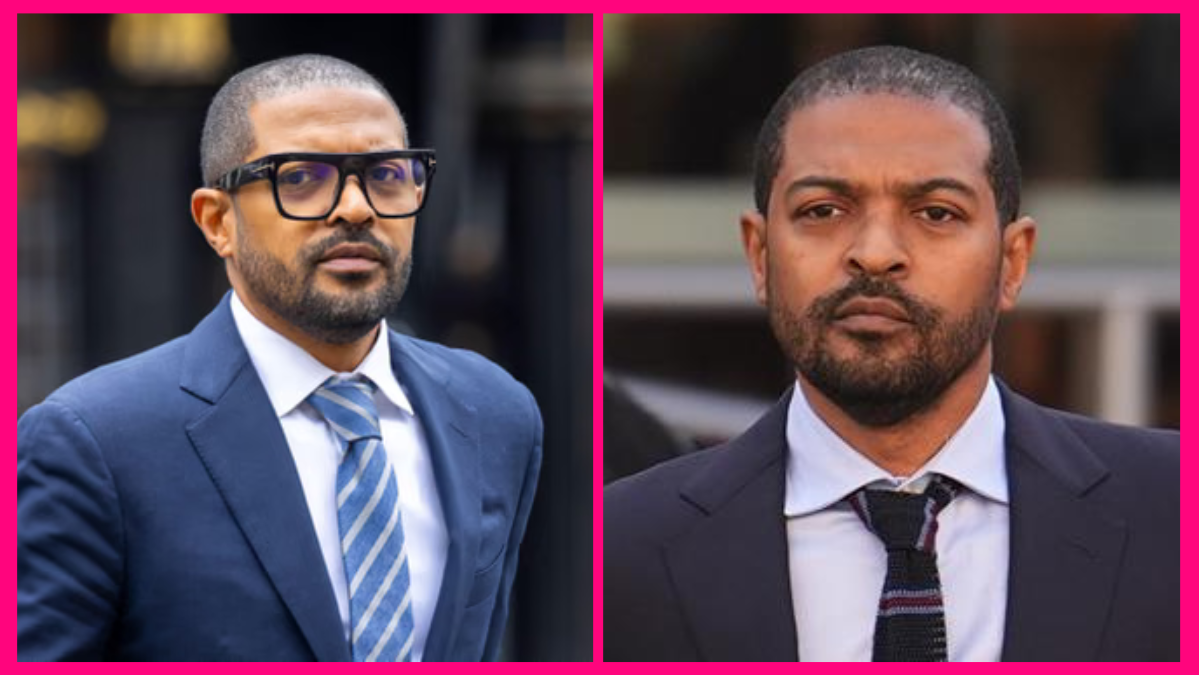
Noel Clarke is a British actor, filmmaker, screenwriter, and director whose career has moved across television, film, and independent production. He first became widely recognized through acting roles before developing a reputation behind the camera as a writer and director. His work has often focused on contemporary British life, young people, relationships, ambition, and the pressures surrounding modern society.
Over the years, his name has been connected with several notable British productions, including Doctor Who, Kidulthood, Adulthood, and Brotherhood. His career is particularly interesting because it demonstrates how an actor can expand into screenwriting, directing, producing, and other areas of filmmaking. At the same time, his professional story has also been affected by serious allegations and industry consequences, making a balanced account of his career important.
Early Life and Background
Noel Clarke was born on December 6, 1975, in London, England. He grew up in London and developed an interest in performance before establishing himself professionally in the entertainment industry. Like many British performers, his route into acting was built through training, auditions, smaller roles, and gradual exposure rather than instant mainstream success.
His early experiences helped shape the grounded quality that later appeared in some of his writing and filmmaking. Clarke became particularly associated with stories involving young adults, friendships, family pressures, crime, social expectations, and difficult personal choices. These themes gave his work a recognizable connection to contemporary urban Britain.
His background also became relevant to his creative identity. Rather than limiting himself to acting, he eventually pursued opportunities that allowed him to influence stories from the writing and directing side. That transition would become one of the defining elements of his professional career.
Noel Clarke and the Start of His Acting Career
The early phase of his career involved television appearances and supporting roles that allowed him to develop experience in front of the camera. His persistence eventually led to opportunities in more recognizable productions, helping him build a profile within the British entertainment industry.
One of his important early breakthroughs came through television. Appearing in established British programs gave Clarke valuable industry exposure and helped demonstrate his ability to work across different genres. His performances were not limited to one particular character type, which later made it easier for him to move between drama, comedy, action, and socially focused stories.
The growth of his acting career also coincided with his increasing interest in storytelling itself. Rather than viewing acting as the final destination, Clarke began exploring how scripts were developed and how films could communicate experiences that were not always represented in mainstream British cinema.
Breakthrough With Kidulthood
One of the most significant titles associated with Clarke’s early filmmaking career is Kidulthood. Released in 2006, the British drama explored the lives of teenagers in London and dealt with difficult themes involving violence, relationships, peer pressure, school life, and social circumstances.
Clarke’s involvement with the project helped establish him as more than simply an actor. The film demonstrated his interest in writing stories rooted in recognizable environments and contemporary experiences. Its direct style and focus on young people helped it attract attention beyond conventional mainstream cinema.
The success and cultural impact of Kidulthood also created an opportunity for Clarke to develop the story further. That continuation became Adulthood, which gave him an even greater role in shaping the material and strengthened his position as a filmmaker.
Adulthood and the Expansion of His Creative Role
Adulthood arrived in 2008 and became a major milestone in Clarke’s career. Unlike simply appearing in a film written by somebody else, Clarke wrote and directed the project while also reprising his role as Sam Peel. This combination of responsibilities demonstrated the range of his ambitions within the film industry.
The movie continued the themes established in Kidulthood but shifted the focus toward the consequences of earlier decisions. Its story explored redemption, violence, responsibility, friendship, and the difficulty of moving forward after a troubled past. The film’s more mature perspective helped distinguish it from a straightforward sequel.
Clarke’s approach reflected an important principle in filmmaking: personal involvement can create consistency between a story’s characters, dialogue, tone, and visual direction. His work on Adulthood became an example of his attempt to control multiple stages of the creative process.
Brotherhood and the End of the Trilogy
The story eventually continued with Brotherhood, released in 2016. The film completed the trilogy that began with Kidulthood and continued through Adulthood. Once again, Clarke was closely involved with the project, reinforcing the importance of the series within his career.
The trilogy became one of the most recognizable bodies of work connected with British urban cinema during that period. Its appeal came partly from its focus on characters dealing with realistic consequences rather than living in an exaggerated cinematic world. Relationships, loyalty, violence, money, and personal responsibility remained central themes.
For Clarke, the trilogy represented more than a series of acting opportunities. It showed his development from performer to writer-director and helped establish him as someone capable of creating commercially visible British films outside the traditional studio system.
Noel Clarke and Doctor Who
Another major part of his acting profile came from Doctor Who. Clarke played Mickey Smith, a recurring character connected to the Doctor and Rose Tyler during the revived era of the long-running science-fiction series.
The role introduced him to a much wider international audience. Doctor Who already had a devoted fan base, and appearing in the program gave Clarke exposure beyond the audience familiar with his British urban dramas.
Mickey was an interesting character because his development unfolded gradually. He began as a relatively ordinary young man but became involved in extraordinary circumstances surrounding the Doctor and the wider universe of the series. Clarke’s performance contributed to the character’s evolution across the story.
| Career area | Notable contribution | Why it matters |
|---|---|---|
| Acting | Doctor Who | Expanded his television and international profile |
| Screenwriting | Kidulthood and related work | Established him as a storyteller |
| Directing | Adulthood and later projects | Demonstrated creative control behind the camera |
| Film trilogy | Kidulthood, Adulthood, Brotherhood | Became a defining part of his career |
| Producing | Multiple film and television projects | Expanded his role within production |
| Television | Drama and genre productions | Showed versatility beyond cinema |
His Work as a Writer and Director
Writing became one of the most important ways Clarke distinguished himself from actors who remained primarily performers. His scripts frequently examined people dealing with complicated circumstances rather than presenting simple heroes and villains.
His directing work further expanded that creative identity. Directing requires decisions about performances, camera placement, editing, pacing, production design, and the overall emotional rhythm of a story. Taking on those responsibilities allowed Clarke to shape projects from a broader perspective.
The combination of acting and directing can also create unique challenges. A performer-director must divide attention between the demands of being in front of the camera and the larger needs of the production. Clarke’s career illustrates how ambitious such a transition can be.
Other Film and Television Projects
Beyond the Kidulthood trilogy and Doctor Who, Clarke has appeared in and worked on a range of film and television projects. His career has included dramas, thrillers, action productions, and television series, reflecting an effort to avoid being confined to one particular genre.
He has also worked on projects where his role extended beyond acting. This broader involvement reflects the changing nature of modern entertainment careers, where performers increasingly move between writing, producing, directing, and acting.
Some of his projects attracted substantial commercial attention, while others were more closely associated with independent filmmaking. Taken together, they demonstrate a career built through different forms of creative participation rather than a single defining performance.
Awards and Recognition
Clarke’s work received industry recognition during the strongest period of his filmmaking career. His achievements included awards connected with his contributions to British cinema and television.
Recognition is particularly significant for a performer who moved into writing and directing because it reflects acknowledgment of creative work beyond acting alone. Clarke’s career demonstrated that British filmmakers could create stories centered on modern social experiences while reaching audiences through commercially successful releases.
His professional achievements helped position him as an influential figure within a particular generation of British film talent. His ability to move between acting, writing, and directing was an important part of that reputation.
The Importance of Kidulthood in British Cinema
The cultural significance of Kidulthood deserves particular attention because the film arrived at a time when British cinema was producing a variety of youth-oriented social dramas. Its focus on teenagers and urban life gave it a distinctive identity.
Rather than presenting youth culture through a polished or distant perspective, the film attempted to capture conflict, peer pressure, relationships, and insecurity through characters facing immediate problems. That approach contributed to its strong connection with a particular audience.
The film’s influence also extended beyond its initial release. Its characters, themes, and dialogue became part of the broader conversation surrounding British urban cinema. The later films in the series benefited from that established cultural identity.
Noel Clarke as a Multi-Talented Filmmaker
Calling Clarke simply an actor would overlook a substantial part of his professional history. His career includes acting, writing, directing, producing, and creative development, making him an example of a multi-hyphenate entertainment professional.
This kind of career requires different skills at different stages. Acting demands performance and character interpretation, while screenwriting requires structure, dialogue, pacing, and narrative development. Directing adds another layer involving visual storytelling and collaboration with an entire production team.
Clarke’s movement across these disciplines is one reason his career remains a subject of interest. It shows how entertainment professionals can build careers by developing multiple creative abilities rather than relying on a single role.
Professional Controversy and Allegations
Any current discussion of Clarke’s career also needs to address the serious allegations that emerged publicly in 2021. A major investigation published by The Guardian reported allegations of sexual misconduct involving multiple women, which Clarke denied.
The allegations had significant professional consequences. In the aftermath, BAFTA suspended his membership and withdrew an outstanding British Academy award, while other professional relationships and projects were affected.
It is important to distinguish allegations from established facts and to avoid presenting disputed claims as proven. Clarke has denied wrongdoing. The controversy nevertheless became an important part of the public record surrounding his professional career because of the scale of the allegations and the resulting industry response.
Impact on His Public Profile
Before the controversy, Clarke had established a public identity associated with British acting and filmmaking. His work had given him a recognizable place in popular culture, particularly among audiences familiar with Doctor Who and the Kidulthood series.
The allegations changed how his career was discussed. Instead of focusing exclusively on films, television performances, and creative achievements, media coverage increasingly examined his professional conduct and relationships within the entertainment industry.
This shift demonstrates how public reputations can change dramatically when serious allegations emerge. For audiences researching Clarke today, understanding both his creative achievements and the subsequent controversy provides a more complete picture.
Noel Clarke’s Approach to Storytelling
A recurring characteristic of Clarke’s work is an interest in characters who live within complicated social environments. His stories often explore the tension between personal decisions and external pressures.
Urban settings are particularly important in some of his best-known work. London is not merely a backdrop; it often contributes to the identity of the story. Neighborhoods, social groups, friendships, and family relationships influence how characters behave and what choices they make.
This style helped Clarke connect with audiences who recognized elements of everyday British life in his work. Even when the stories became more dramatic, they frequently retained a sense of contemporary realism.
Influence on Young British Filmmakers
Clarke’s rise from actor to writer-director also provided an example for emerging British creatives. His career showed that a performer could use a successful acting platform to create original stories and take greater control over filmmaking.
The success of Kidulthood was especially important because it demonstrated that films focused on young British characters could attract substantial attention. Its later sequels reinforced the commercial possibilities of locally produced urban dramas.
His career therefore forms part of a wider movement in British cinema in which filmmakers with strong connections to their communities have sought to tell stories from perspectives that may receive less attention within traditional mainstream filmmaking.
What Makes His Career Notable
The most notable feature of Clarke’s career is its breadth. He has worked on globally recognized television, developed a successful British film series, written screenplays, directed films, and participated in production.
That range makes his professional history more complicated than a simple success story. His creative achievements exist alongside serious controversy, and both elements are relevant when examining his place in British entertainment.
A balanced assessment recognizes the impact of his earlier work without ignoring the allegations and professional consequences that followed. This approach allows readers to understand the career as a whole rather than reducing it to either achievements or controversy.
Frequently Asked Questions About Noel Clarke
Who is Noel Clarke?
Noel Clarke is a British actor, screenwriter, director, and producer known for his work in film and television. He became particularly recognized for Doctor Who and for the Kidulthood, Adulthood, and Brotherhood film series.
What role did Noel Clarke play in Doctor Who?
Clarke portrayed Mickey Smith in the revived Doctor Who series. Mickey was initially introduced as Rose Tyler’s boyfriend and later became increasingly involved in the Doctor’s adventures.
What is Noel Clarke best known for?
He is widely associated with the Kidulthood film series and his role as Mickey Smith in Doctor Who. His work behind the camera as a writer and director is also an important part of his professional identity.
Did Noel Clarke direct Adulthood?
Yes. Clarke wrote and directed Adulthood and also appeared in the film as Sam Peel. The project was an important step in his development as a filmmaker.
What happened to Noel Clarke’s career?
His career was significantly affected by allegations of sexual misconduct reported publicly in 2021. Clarke denied the allegations, while organizations including BAFTA took professional action following their publication.
Is Noel Clarke still an actor?
Clarke’s earlier career includes extensive acting work across film and television, but his professional activity and public profile changed considerably following the allegations and the resulting industry response.
Conclusion
Noel Clarke’s career is a complex chapter in modern British entertainment. From television acting to influential urban films, he built a profile that extended well beyond performance. His work on Kidulthood, Adulthood, and Brotherhood established him as a writer and director, while Doctor Who introduced him to a much broader audience.
His story also illustrates the importance of examining public careers with balance. Creative achievements can be significant while serious allegations and professional consequences must also be acknowledged accurately and responsibly. For that reason, understanding Clarke’s career requires looking at both his contribution to British film and television and the controversy that later reshaped his professional reputation.
Ultimately, his legacy remains closely connected with his early filmmaking achievements, his multi-disciplinary approach to entertainment, and the cultural impact of the stories he helped bring to British screens.
Read also Misha Ezratti Net Worth: Wealth, GL Homes Career, Family Legacy and Business Success
