


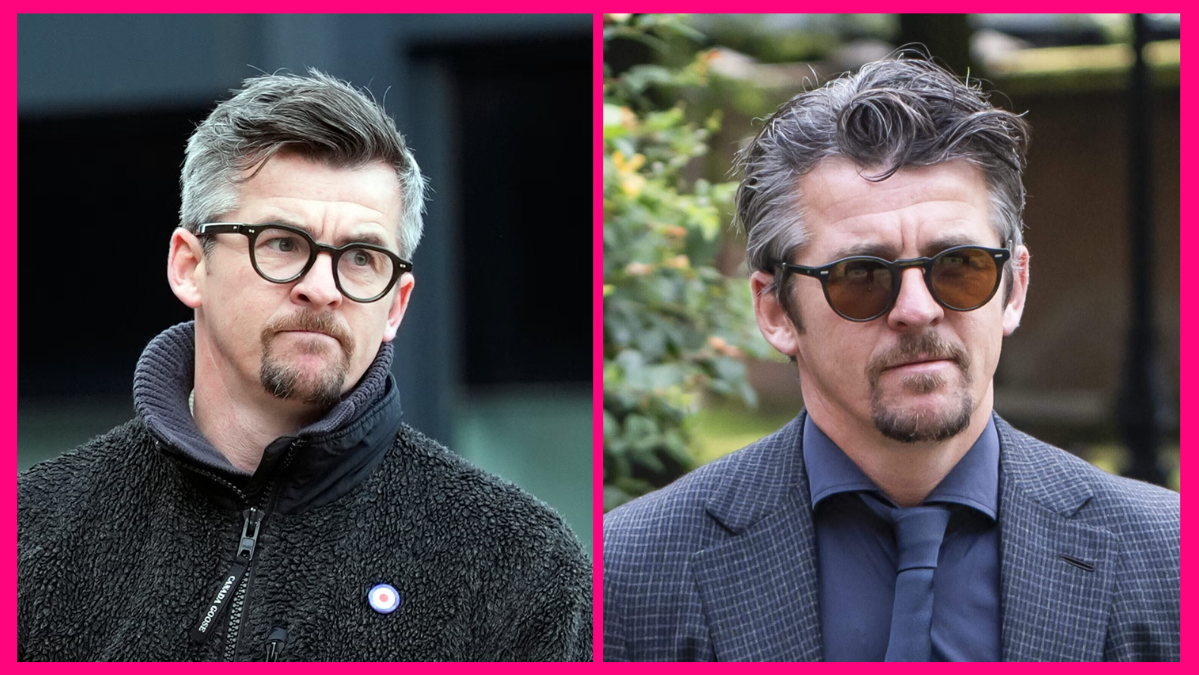
Joey Barton is one of the most recognizable and controversial figures to emerge from English football during the Premier League era. Born in Huyton, Merseyside, he built a career around determination, competitiveness and an unmistakably outspoken personality. His playing journey took him from Manchester City to Newcastle United, Queens Park Rangers, Marseille, Burnley and Rangers, while he also earned one senior England cap.
What makes his story particularly compelling is the contrast between his football ability and the controversies that repeatedly followed him. Barton was a technically capable midfielder who could play centrally or from a wider position, contribute goals, press opponents aggressively and provide leadership. At the same time, disciplinary problems, confrontations, legal issues and an eventual football betting ban repeatedly interrupted his progress.
His career has therefore never fitted neatly into the traditional story of a successful professional footballer. There were periods when he looked capable of becoming an established England international, followed by setbacks that threatened to derail everything. Later, he attempted to reinvent himself as a coach, moving into management with Fleetwood Town and Bristol Rovers.
As of September 2026, his public life is again dominated by legal proceedings rather than football. Barton has pleaded not guilty to a charge of causing grievous bodily harm with intent relating to an alleged incident outside a golf club in Huyton in March 2026. His trial has been postponed to March 2027, and he remains in custody following a renewed bail application being refused. These are allegations, and he is presumed innocent unless proven guilty.
Early Life and Football Beginnings
Barton was born in Huyton, an area of Merseyside with a deep football culture. Growing up close to Liverpool, he was surrounded by an environment in which football was more than entertainment. It was part of everyday life, shaping the ambitions of countless young players.
His route into professional football eventually led to Manchester City, where his talent became increasingly difficult to ignore. He developed through the club’s system and made his senior debut at 19. The young midfielder quickly demonstrated a willingness to compete physically and express himself on the pitch, characteristics that would remain central to his career.
At Manchester City, he was regarded as a promising midfielder rather than simply a disruptive personality. His ability to cover ground, tackle, pass and contribute in attacking areas made him useful to several managers. His confidence was also obvious, sometimes becoming one of his greatest strengths and sometimes contributing to his problems.
The early years at City established the pattern that would follow him for much of his career. There was genuine footballing quality, but it existed alongside repeated disciplinary incidents. His reputation began to develop almost as quickly as his professional career.
Manchester City and the Rise of a Controversial Reputation
Manchester City was where Barton first became a regular Premier League name. He earned opportunities in the first team and showed enough ability to suggest that international football could eventually be within reach. He was energetic, aggressive and comfortable playing in the demanding midfield environment of English football.
However, his conduct away from matches increasingly became a problem. One notorious incident occurred at a Manchester City Christmas party in 2004, when he was involved in an altercation with youth player Jamie Tandy. Barton stubbed a lit cigar into Tandy’s eye and was subsequently disciplined by the club. Tandy later won damages in a civil case.
Another major incident involved teammate Ousmane Dabo during training in 2007. The confrontation resulted in Dabo requiring hospital treatment, and Barton received a suspended prison sentence for assault. Manchester City subsequently sold him to Newcastle United for a reported £5.8 million.
These episodes changed the way Barton was viewed. Instead of being discussed primarily as a promising English midfielder, he became a footballer whose personal behavior was often as newsworthy as his performances. That reputation followed him even when his football was strong.
Newcastle United and a Difficult Period
Barton joined Newcastle United in 2007, giving him the opportunity to establish himself at another major Premier League club. Newcastle was a demanding environment, and Barton became an important part of the midfield when available.
His time on Tyneside was disrupted by injuries, suspensions and legal problems. In 2008, he was sentenced to six months in prison for assault and affray following an incident in Liverpool. He served part of that sentence before returning to football.
Despite the turmoil, he remained capable of producing influential performances. Newcastle supporters saw a player who could bring energy and aggression to midfield, and his passing range and ability to influence games were sometimes overshadowed by the attention surrounding his conduct.
Barton also developed a reputation for speaking his mind about football. He was willing to criticize managers, teammates, club policies and governing bodies, making him an unusually outspoken player in an era increasingly shaped by social media. His comments could generate headlines even when he was not playing.
England Ambitions and International Football
Barton won only one senior England cap, appearing against Spain in 2007. For a player who spent years competing at Premier League level, that single appearance remains one of the most intriguing parts of his football story.
He believed he was capable of achieving considerably more internationally. In 2010, he spoke confidently about his ability and argued that players should be selected according to form rather than reputation. He famously declared, “on form I’m as good as anyone in this country,” while discussing his hopes of returning to the England squad.
The statement reflected both sides of his personality. On one hand, it demonstrated confidence and ambition. On the other, it showed why Barton could divide opinion so strongly. He rarely appeared interested in saying what was safe or predictable.
His England career ultimately never developed beyond that solitary appearance. Injuries, suspensions, competition for midfield positions and his disciplinary record all contributed to the gap between his ambitions and his international achievements.
Queens Park Rangers and Premier League Drama
In 2011, Barton moved to Queens Park Rangers on a four-year contract after leaving Newcastle. The transfer offered him a fresh beginning in London and another opportunity to establish himself as a Premier League leader.
QPR was arguably one of the most eventful stages of his playing career. He became captain and played an important role for a team fighting to remain competitive in the Premier League. His leadership qualities were evident, but so was the volatility that had characterized earlier periods.
His most infamous QPR moment came on the final day of the 2011–12 Premier League season against Manchester City. After being sent off, Barton struck Sergio Agüero with his knee and attempted to confront Vincent Kompany while leaving the pitch. The Football Association subsequently handed him a 12-match suspension.
The incident became a defining image of his career because it occurred during one of the most dramatic Premier League matches ever played. Manchester City scored twice in stoppage time to win the title, while QPR survived relegation despite losing.
For Barton, however, the match had consequences beyond the result. The suspension meant that his next chapter would take place away from English league football.
Marseille and an Unusual French Adventure
Barton joined Marseille on loan from QPR in 2012. Moving to France gave him a chance to step outside the familiar English football environment and experience a different culture, league and footballing atmosphere.
He adapted relatively well to Marseille’s intense football culture. The club’s passionate support appealed to him, and he spoke enthusiastically about the relationship between the city and Olympique de Marseille. He described the club and city as being intrinsically linked, emphasizing how deeply football was woven into local identity.
His Marseille spell was not completely free of controversy, but it was generally calmer than some of his previous periods in England. The experience also demonstrated that his personality could function in a different football culture when circumstances were favorable.
After returning to QPR, he continued playing at Premier League level. His career was still productive, but his reputation meant that every disciplinary incident attracted significant attention.
Burnley and One of His Best Footballing Chapters
Burnley provided one of the most positive periods of Barton’s playing career. He joined the club after leaving QPR and became part of a team that won promotion from the Championship in 2016.
At Burnley, his experience and competitiveness were particularly valuable. Rather than being simply the headline-maker, he was increasingly viewed as a veteran midfielder capable of helping younger teammates and providing leadership during difficult matches.
The promotion campaign represented a reminder of why clubs had continued to employ him throughout his career. Whatever problems existed away from football, there was still a capable professional player underneath the controversy.
Barton later returned to Burnley after a brief spell with Rangers. His second stint was cut short following the FA’s investigation into his betting activities, bringing one of the most significant sporting setbacks of his career.
Rangers and the Betting Ban
Barton moved to Rangers in Scotland in 2016, but the relationship lasted only a matter of months. His time at Ibrox became increasingly strained, and the club eventually terminated his contract.
The bigger issue arrived in 2017 when the FA imposed an 18-month ban after finding that Barton had breached betting regulations. Reports stated that he had placed more than 1,500 bets on football matches between 2006 and 2013.
The ban effectively ended his professional playing career. Barton had previously overcome injuries, suspensions and imprisonment to return to football, but this punishment proved to be the final major sporting barrier.
His playing career ended with an unusual mixture of achievement and unfinished potential. He had played for several prominent clubs, represented England and won promotion from the Championship, yet he never came close to fulfilling the level of potential suggested during his early Manchester City years.
Playing Career at a Glance
The following table summarizes the major stages of his professional football journey and explains why each period mattered.
| Club or Team | Period | Major Significance |
|---|---|---|
| Manchester City | 2002–2007 | Established himself as a Premier League midfielder |
| Newcastle United | 2007–2011 | Experienced major highs and serious off-field setbacks |
| Queens Park Rangers | 2011–2015 | Became captain and remained involved in Premier League football |
| Marseille | 2012–2013 | Gained experience in French football on loan |
| Burnley | 2015–2016, 2017 | Helped Burnley win promotion to the Premier League |
| Rangers | 2016 | Brief and difficult spell in Scotland |
| England | 2007 | Earned one senior international cap |
This career path shows why simple labels rarely explain his footballing life. He played at a high level for years, but interruptions repeatedly prevented sustained progress. His best periods were often followed by controversies that changed the direction of his career.
From Player to Football Manager
After retiring from playing, Barton turned toward coaching. His first major managerial appointment came at Fleetwood Town in 2018 after his betting ban ended. The move represented a significant change because it required him to move from being responsible primarily for his own performances to managing an entire squad.
Barton approached management with the same directness that had characterized his playing career. He spoke confidently about his ambitions and presented himself as someone capable of developing into a modern football coach.
His next major role came at Bristol Rovers in 2021. He inherited a struggling League One side and attempted to change the team’s culture, performances and long-term direction. He spoke about the club’s potential and the importance of building a stronger connection between the team and its supporters.
His managerial career produced some promising moments, but it never reached the heights that his supporters hoped for. Results, tactical debates and his continuing public profile meant that his coaching work was always examined through the lens of his past.
The Public Persona Behind the Footballer
One of the most interesting aspects of Barton’s career has been his ability to reinvent his public identity. During his playing days, he became an unusually prominent social-media personality for a professional footballer.
He discussed literature, philosophy, music, politics and football, presenting a side of himself that was considerably more intellectual than the traditional image of a hard-tackling midfielder. His interest in philosophy and culture generated curiosity because it contrasted sharply with his confrontational reputation.
That contrast made him a compelling media figure. Barton could be thoughtful and articulate in one setting and intensely combative in another. His willingness to debate controversial topics also made him a popular pundit and commentator at various points.
The result was a public persona that extended far beyond football. Even when he was not playing or managing, his opinions could generate headlines.
Controversies and Their Impact on His Legacy
The controversies surrounding Barton cannot reasonably be separated from his football career. They influenced transfers, suspensions, relationships with managers and the way supporters viewed his performances.
The disciplinary incidents began during his Manchester City years and continued through Newcastle and QPR. His prison sentence in 2008 became one of the darkest periods of his career, while the 2012 QPR suspension became one of the most memorable examples of Premier League indiscipline.
The betting ban added another layer. Unlike a single on-field outburst, a lengthy betting investigation involved repeated activity over a number of years and resulted in an 18-month suspension from football.
Yet reducing his entire career to controversy would also ignore his genuine footballing achievements. He played hundreds of professional matches, competed for major clubs, earned international recognition and helped Burnley achieve promotion.
His legacy is therefore complicated. To some supporters, he was a talented midfielder who repeatedly damaged his own opportunities. To others, he was a natural leader whose confrontational personality made him both compelling and frustrating.
Legal Situation in 2026
Barton is currently facing a serious legal case unrelated to his former playing career. In March 2026, he was charged with causing grievous bodily harm with intent following an alleged incident outside Huyton and Prescot Golf Club in Merseyside.
He has pleaded not guilty to the charge. According to reporting from September 2026, his trial has been postponed until March 2027, and a renewed bail application was refused. Barton remains in custody ahead of further proceedings.
Because the matter remains before the courts, allegations should not be presented as established facts. The appropriate distinction is particularly important in coverage of a public figure facing criminal proceedings.
The case has nevertheless placed Barton back in national headlines, years after his playing career ended. It is another reminder that his public story has continued to evolve long after he stopped appearing regularly on a football pitch.
Why His Career Still Attracts Attention
Few English footballers of his generation have produced such a complicated combination of sporting ability, controversy, reinvention and public debate. Barton remains interesting partly because his career repeatedly seemed to be heading in different directions.
At his best, he was an intelligent and energetic midfielder who could influence matches through work rate and passing. He had leadership qualities that managers recognized, and his confidence could inspire teammates when properly directed.
At his worst, impulsive decisions overshadowed those qualities. The gap between his ability and his behavior became one of the central themes of his career.
That tension is also why his story remains relevant to discussions about football culture, player discipline, social media, gambling regulations and the transition from professional playing to coaching. His career demonstrates how talent can create opportunities, but consistency and judgment are equally important for sustaining them.
Joey Barton’s Footballing Legacy
The legacy of Joey Barton is not straightforward, and perhaps that is precisely what makes it worth examining. He was never simply a villain, hero, midfielder, manager or media personality. Different parts of his career produced very different impressions.
His achievements include Premier League football with multiple clubs, an England appearance, a promotion-winning campaign with Burnley and years spent competing at the highest levels of English football. His failures include disciplinary suspensions, legal troubles, confrontations and a betting ban that ultimately ended his playing career.
He also became an example of how a footballer can build a second identity away from the pitch. His interest in philosophy, culture, politics and media helped create a persona that extended beyond match results.
The most balanced assessment is therefore one that recognizes both sides. His football talent was real, but so were the consequences of his choices. His story is less about a simple rise and fall than about a series of opportunities, setbacks and attempted reinventions.
Conclusion
Joey Barton remains one of the most complex personalities in modern English football. His journey from Manchester City’s academy to Premier League midfield, international football, Marseille, Burnley, Rangers and management was filled with remarkable opportunities as well as serious setbacks.
His football career showed genuine quality and resilience. He repeatedly returned from difficult circumstances and found ways to contribute on the pitch, most notably during Burnley’s promotion campaign. Yet disciplinary problems and the 2017 betting ban prevented him from achieving the consistency that his early talent suggested was possible.
His transition into management added another chapter to an already unusual career, while his outspoken media presence ensured that he remained a recognizable public figure beyond football.
In 2026, his story has entered another difficult phase because of the ongoing criminal proceedings relating to an alleged assault. He has pleaded not guilty, and the case remains unresolved.
Ultimately, his legacy will continue to be debated. He was a talented footballer, a controversial personality, a captain, a coach and a man whose decisions repeatedly shaped the direction of his career. That mixture of ability and controversy is what has made his name remain prominent long after his final professional match.
Frequently Asked Questions About Joey Barton
Who is Joey Barton?
Joey Barton is a former English professional footballer and football manager who played primarily as a midfielder. He represented Manchester City, Newcastle United, Queens Park Rangers, Marseille, Burnley and Rangers, while also earning one England cap.
He later moved into football management, taking charge of Fleetwood Town and Bristol Rovers. His career has also been marked by numerous disciplinary controversies and an 18-month football ban related to betting offences.
Which clubs did Joey Barton play for?
His professional playing career included Manchester City, Newcastle United, Queens Park Rangers, Marseille, Burnley and Rangers. He spent most of his career in England but also had a loan spell with Marseille in France and a short period with Rangers in Scotland.
His longest and most influential spells came with Manchester City, Newcastle and QPR, while Burnley provided one of the most successful footballing chapters of his career when the club won promotion from the Championship.
How many times did Joey Barton play for England?
Barton made one senior appearance for England. He won his only cap against Spain in 2007.
Despite having ambitions to establish himself internationally, he never became a regular England midfielder. Injuries, competition for places and disciplinary problems all affected his prospects.
Why did Joey Barton receive an 18-month football ban?
The Football Association imposed an 18-month ban in 2017 after determining that Barton had breached football betting regulations. Reports stated that he had placed more than 1,500 bets on football matches between 2006 and 2013.
The suspension effectively brought his playing career to an end. Barton had previously overcome several major setbacks, but the betting ban proved to be the final significant interruption of his time as a professional player.
Is Joey Barton currently in prison?
As of September 2026, Barton is in custody while awaiting trial in connection with a charge of causing grievous bodily harm with intent. He has pleaded not guilty, and the trial has been postponed to March 2027.
The case remains unresolved, so the allegations should not be treated as proven facts. Barton is presumed innocent unless and until a court determines otherwise.
Did Joey Barton manage a football club?
Yes. After his playing career, Barton became a football manager. He managed Fleetwood Town before taking charge of Bristol Rovers in 2021.
His move into management was significant because it represented an attempt to use his extensive experience as a professional player in a coaching environment. His managerial career added another dimension to an already unusual football story.
Read also Ciara Miller: From ICU Nurse to Summer House Star, Model, and Rising Television Personality
